Introduction: The Dance of Life and Emotion
In the realm of artistic expression, few mediums capture the essence of human emotion as profoundly as dance. It transcends language, culture, and time, allowing performers to communicate what words often cannot convey. As we approach our upcoming performance at the esteemed Dance Studio, we're excited to delve into the art of capturing emotion through movement. This exploration will not only enhance our choreography but also resonate deeply with our audience, creating a shared experience that lingers long after the final bow.
Why is Emotion Important in Dance?
Emotion serves as the heartbeat of dance. It transforms a series of movements into a narrative, pulling viewers into a world where they can feel joy, sorrow, love, and despair. Without emotion, dance can become mere technique—impressive yet hollow.
The Connection Between Dance and Emotion
Dance is an intricate blend of body language and expressive movement. When dancers perform, they invite audiences to connect with their stories on an emotional level. A subtle shift in posture or a sweeping arm movement can evoke powerful feelings that resonate within us all.
Understanding Emotional Expression in Dance
1. The Psychology Behind Movement
What drives our emotional responses to dance?
Human beings are wired for empathy. The mirror neurons in our brains allow us to resonate with others' emotions—an essential feature in understanding why dance can evoke such profound responses.
2. Types of Emotions Conveyed Through Dance
Dancers often portray a wide range Dance Studio Tigard of emotions:
- Joy: Bright movements with high energy. Sorrow: Slow, weighted movements that appear heavy. Anger: Sharp, abrupt movements. Love: Fluid and connected gestures.
3. Techniques for Capturing Emotion
The following techniques can help dancers effectively convey emotion through movement:
- Facial Expressions: The face often tells more than the body. Body Language: Posture and gestures communicate volumes. Breath Control: Synchronizing breath with movement enhances emotional delivery.
Capturing Emotion Through Movement in Our Upcoming Performance
4. Choreography as Storytelling
How does choreography transform emotions into narratives?
Choreography becomes storytelling when dancers utilize movements to depict specific emotions or scenarios effectively. Additional info For instance, a duet may illustrate love through interconnected movements, while a solo performance could reflect inner turmoil through contrasting dynamics.
5. Music's Role in Evoking Emotion
Music acts as an emotional backdrop for dance performances. It has the power to heighten feelings and guide dancers' emotional expressions:
- Upbeat music energizes movements. Slow melodies encourage reflective choreography.
6. The Importance of Rehearsal
Rehearsals provide an opportunity for dancers to refine their emotional expressions within choreography:
- Practicing transitions allows dancers to explore how their movements flow between emotions. Feedback from instructors can help identify areas where emotion feels authentic versus mechanical.
The Dancer’s Journey: From Technique to Emotion
7. Developing Emotional Intelligence
What does it mean for a dancer to be emotionally intelligent?
Emotional intelligence involves recognizing one's own feelings and those of others—a crucial skill for any performer aspiring to convey genuine emotion on stage.
8. Personal Experience as Fuel for Performance
Dancers often draw upon personal experiences to enhance their performances:
- Sharing stories during rehearsals can create deeper connections between cast members. These shared experiences translate into authentic expressions during performances.
Capturing Emotion Through Movement in Our Upcoming Performance
9. Collaborating with Musicians
Working closely with musicians helps synchronize movement with musicality:
- Dancers become attuned to rhythm changes. Collaborative rehearsal fosters mutual understanding between artists.
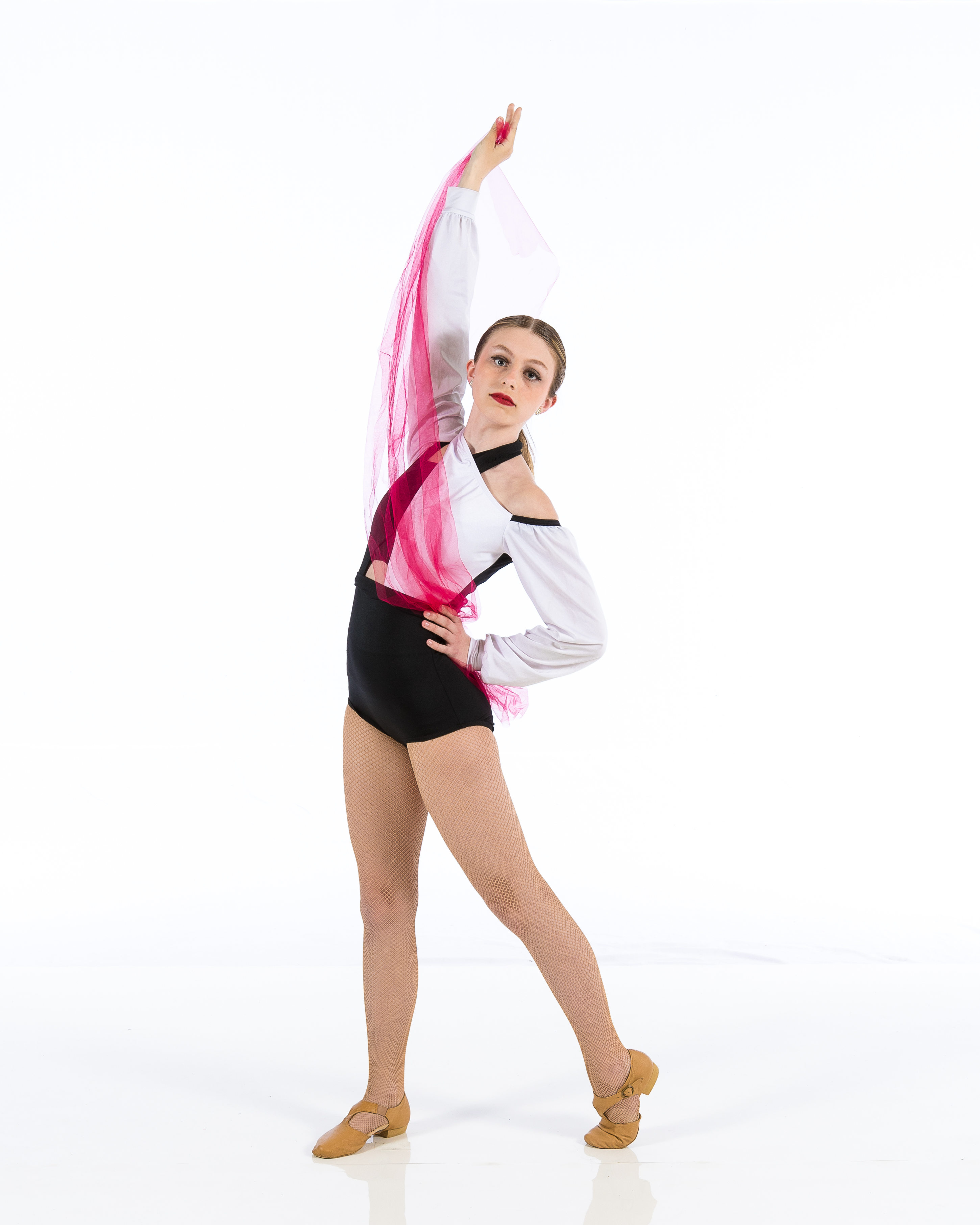
10. Visual Elements Enhancing Emotional Impact
Costumes and lighting play pivotal roles in enhancing the emotional landscape:
- Colors can evoke specific feelings—red for passion, blue for calmness. Lighting creates atmosphere; softer lights may suggest intimacy while brighter lights energize scenes.
Creating a Unique Experience at Our Dance Studio
11. The Role of Audience Engagement
How do audiences influence a performance's emotional impact?
Audience reactions shape the performance experience—laughter during comedic moments or silence during poignant scenes enhances emotional resonance:
12. Preparing for Performance Day
On performance day, maintaining focus while managing nerves is crucial:
- Visualization techniques help dancers mentally prepare. Group warm-ups build camaraderie and collective energy among performers.
Refining Your Skills at Our Dance Studio
13. Classes Focused on Emotional Expression
Our Dance Studio offers specialized classes focused on conveying emotions through various styles:
Contemporary classes emphasize fluidity and connection. Ballet classes highlight precision paired with emotive storytelling.14. Workshops Led by Expert Choreographers
Workshops led by experienced choreographers provide unique opportunities:
- Dancers learn techniques from industry professionals who specialize in emotional expression.
FAQs About Capturing Emotion Through Movement
1. What are some common ways dancers express emotion?
Dancers express emotion through facial expressions, body language, music choice, and by drawing from personal experiences during performances.
2. How does music influence dance performances?
Music sets the tone for dance performances; it influences rhythm and energy levels while enhancing emotional depth within choreography.
3. Why is rehearsal important for conveying emotion?
Rehearsal allows dancers to refine their movements and receive feedback on their ability to convey authentic emotions throughout their performance journey.
4. Can anyone learn to express emotions through dance?
Yes! With dedication and practice at a reputable dance studio, anyone can learn how to capture emotions effectively through movement.
5. How do costumes affect emotional expression in dance?
Costumes contribute significantly by visually representing characters or themes; color choices evoke specific feelings that enhance overall emotion conveyed on stage.
6. What role do audience members play during performances?
Audience members contribute by engaging with performers emotionally; their reactions (laughter or silence) can amplify the overall experience both on stage and off.
Conclusion: The Power of Movement
In conclusion, capturing emotion through movement is not merely about mastering physical techniques; it's about connecting deeply with oneself as well as sharing that connection with an audience at our esteemed Dance Studio. As we prepare for our upcoming performance, we invite you all to witness this transformative journey where each dancer embodies not just steps but heartfelt stories woven together through exquisite artistry—ultimately reminding us all that we are human first—expressing life’s complexities one graceful motion at a time!